
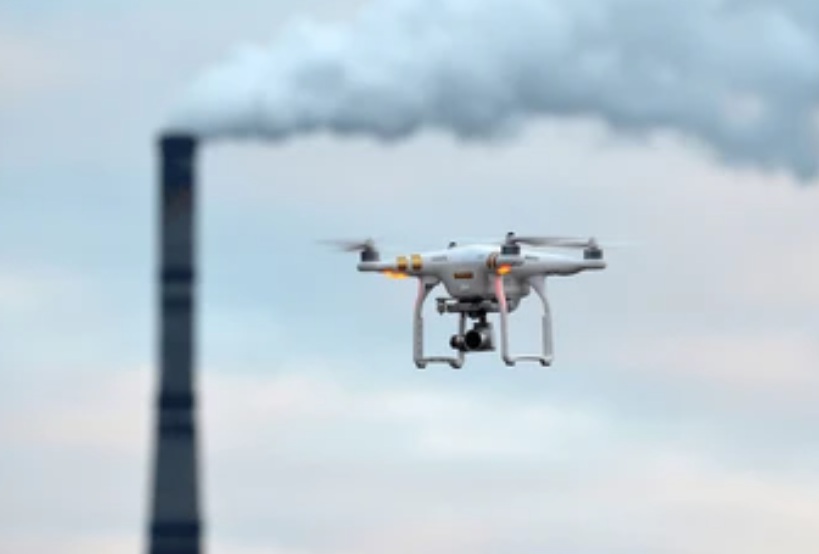
Nuclear Power Plant Safety Through Drone Inspections
Ensuring the safety and operational integrity of nuclear power plants is a critical priority for the energy sector worldwide. Traditional inspection methods often require extensive human involvement, are time-consuming, and can expose personnel to hazardous environments. In recent years, the integration of advanced technology such as drones has revolutionized how inspections are conducted. Specifically, drone inspections at nuclear power plants have become an essential tool in enhancing safety protocols, reducing downtime, and improving the accuracy of surveillance operations.
Advantages of Using Drones in Nuclear Facility Inspections
Drones, also known as unmanned aerial vehicles (UAVs), provide several key benefits over conventional inspection techniques:
- Enhanced Safety: Drones can access hard-to-reach or dangerous areas without putting human inspectors at risk, such as high radiation zones or confined spaces.
- Improved Efficiency: Inspections that once took days can be completed in hours, minimizing plant downtime and operational disruptions.
- High-Quality Data Collection: Equipped with advanced sensors and cameras, drones capture detailed visual, thermal, and infrared data that surpasses human observational capabilities.
- Cost Reduction: The automation of routine inspections lowers labor costs and reduces the need for expensive scaffolding or shutdown procedures.
Types of Drones Used in Nuclear Power Plants
Various types of drones serve distinct inspection purposes within nuclear facilities. Understanding the differences between UAV vs drone is essential, though both terms are often used interchangeably. In practice, surveillance drones and commercial drones are tailored with specific payloads and features to meet industry demands. These include:
- Surveillance Drones: Equipped with HD cameras and real-time video transmission to monitor perimeter security and detect unauthorized access.
- Inspection Drones: Featuring thermal imaging and LiDAR sensors to detect structural anomalies, corrosion, or overheating equipment.
- Utility Drones: Designed for precision inspection of vital infrastructure such as cooling towers, pipelines, and electrical components.
Implementing Drone Inspection Programs
Successful integration of drone technology into nuclear power plant safety protocols involves several strategic steps:
- Regulatory Compliance: Ensuring all drone operations comply with nuclear regulatory bodies and aviation authorities.
- Customized Drone Solutions: Selecting drones and sensors specifically engineered for the unique challenges of nuclear facilities.
- Operator Training: Training personnel in drone operation, data analysis, and maintenance to maximize inspection effectiveness.
- Data Integration: Incorporating drone-collected data into existing plant monitoring systems to facilitate real-time decision-making.
For those interested in cutting-edge drone technology tailored for complex industrial environments, head over to Acecore Technologies, a leading provider known for innovative commercial drones and UAV solutions.
Enhancing Security with Drone Technology
Beyond structural inspections, drone security applications play a pivotal role in protecting nuclear power plants from potential threats. Drones enable continuous aerial surveillance, rapid response to security breaches, and comprehensive monitoring of plant perimeters. The ability to deploy drones quickly and discreetly adds a critical layer of defense, complementing ground-based security measures.
Future Prospects of Drone Utility Inspection in Nuclear Safety
As drone technology continues to evolve, its role in nuclear power plant safety will expand significantly. Advances in artificial intelligence and machine learning will enhance automated inspection capabilities, allowing drones to identify potential issues with greater precision and predict maintenance needs before failures occur. Integration with other smart technologies will create a more resilient and adaptive safety infrastructure, ultimately contributing to safer, more efficient nuclear power generation.
Innovating Safety Through Technology
The adoption of drone inspections at nuclear power plants marks a significant leap forward in operational safety and efficiency. By leveraging the versatility and advanced capabilities of modern drones, the nuclear industry can better safeguard its assets, protect personnel, and maintain uninterrupted energy production. As technology advances, continued investment in drone innovation will be vital in shaping the future of nuclear safety and security.